

On a catamaran, trolling needs neither a dedicated boat nor a big budget. Two lines astern, a steady speed, and dinner often comes aboard before the anchor goes down.
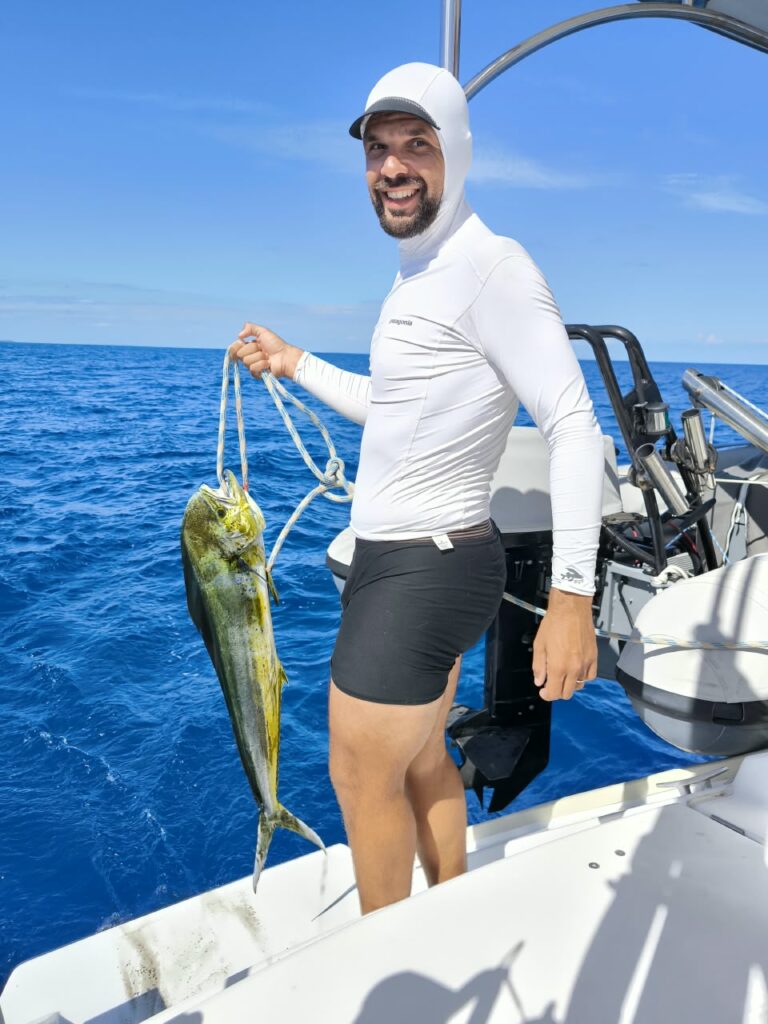
The gear that is enough
Two short trolling rods with conventional reels cover most needs. The lines sit in holders on the stern rail, one slightly longer than the other so they do not tangle.
- Skirted lures and diving plugs from 10 to 18 cm.
- Fluorocarbon or wire leaders depending on the target species.
- A gaff, gloves and a wet towel to handle the fish.
- A cool box or tub with ice, ready before the lines go out.
Speed and track
Trolling works between 5 and 8 knots, the natural speed of a Lagoon 440 under sail in moderate wind. Pelagic fish often hunt along drop-offs, current lines and feeding birds: passing close to them improves the odds.
After the strike
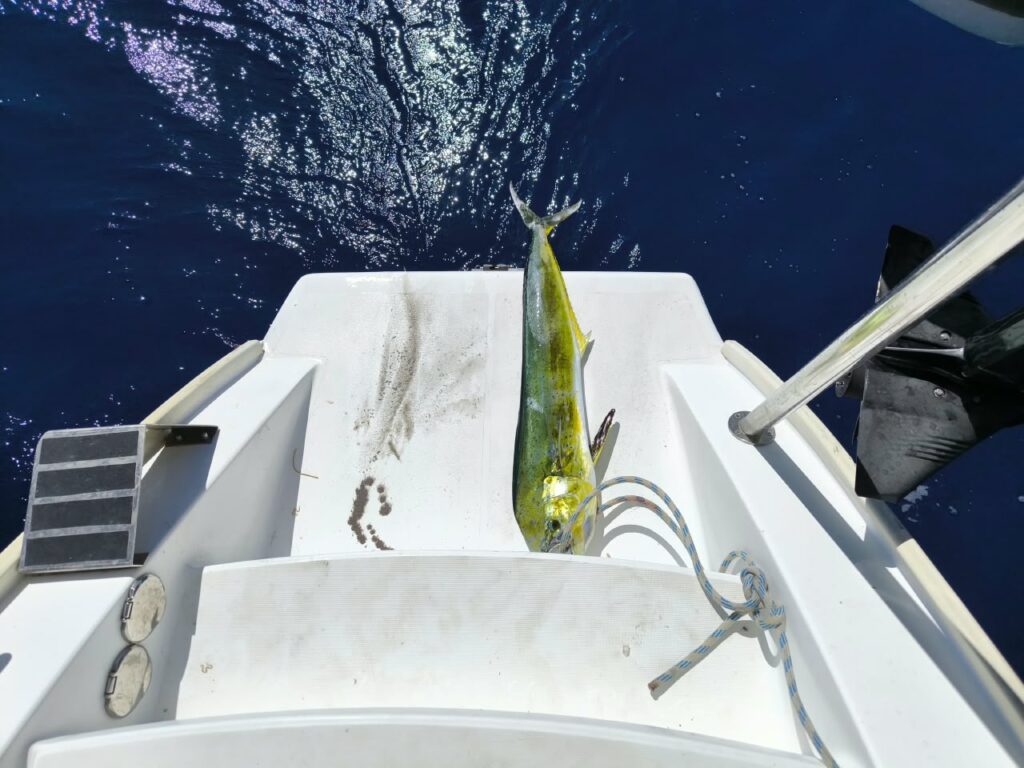
Reduce sail or head up to slow down, then bring the fish in without rushing. Once aboard it is bled and put on ice quickly: that is what makes good fillets. The swim platform, easy to rinse, is the best place to clean it.
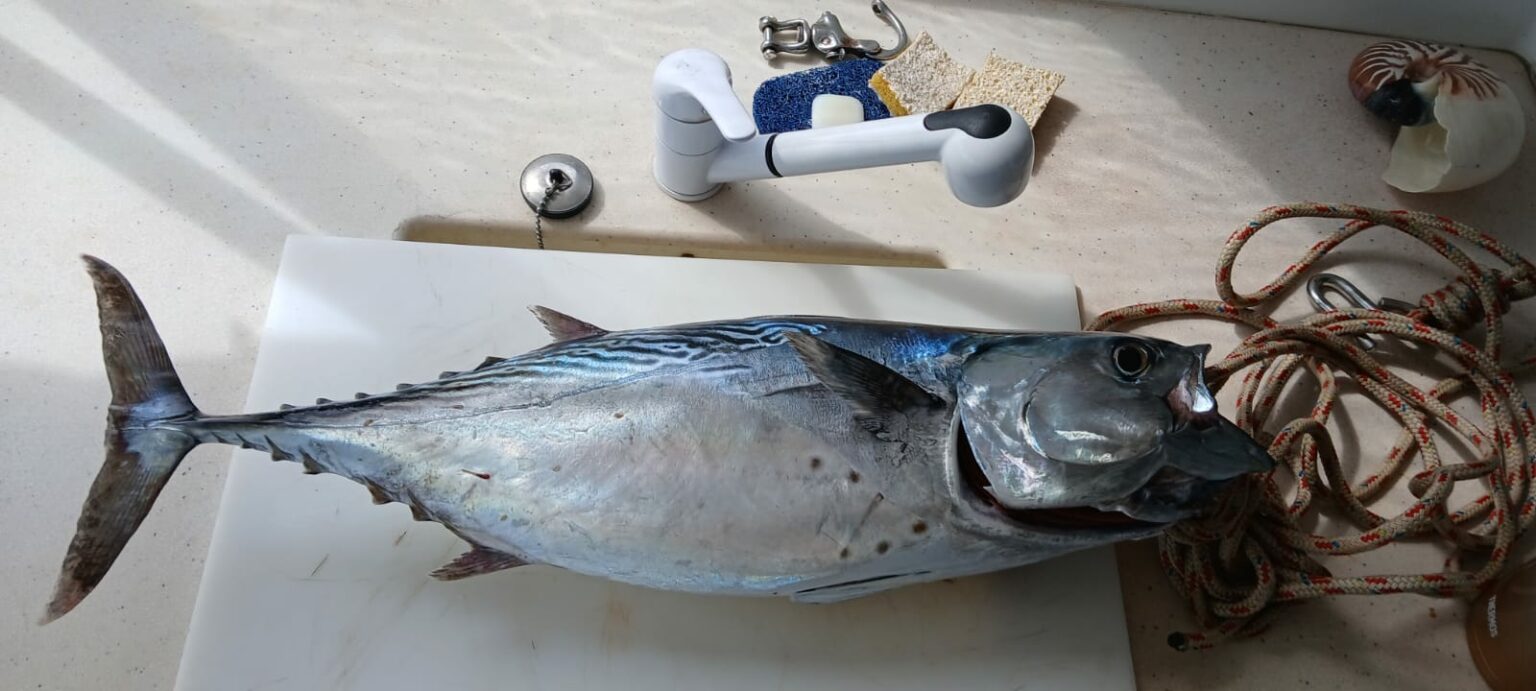
What we check before fishing
- Local rules: protected areas, minimum sizes and quotas vary between countries and provinces.
- The ciguatera risk, mainly for some reef fish: ask local fishers and authorities.
- A clear deck: nothing should get in the way of the line or the manoeuvre.
In the logbook. Date, species, lure and wind conditions are noted after each catch. The area stays general: the site never publishes a position.