

A round trip between New Caledonia and northern Vanuatu aboard myCloud: Nouméa, Efate, the islands leading to Santo, then back via Efate to Hienghène. A cruising story, written stop by stop.
Nouméa → Efate → Epi → Ambrym → Malekula → Santo → Efate → Hienghène
Leaving Nouméa
The last checks are done the day before: engine levels, filters, lithium bank status, safety kit, weather. The logbook is up to date, every ticked item carries its date. In the morning the mainsail takes a reef to be safe and the bow points east of Vanuatu, in a steady trade wind.
Efate, first stop
After a few days at sea, Efate takes shape on the horizon. The entrance to Port Vila calls for care, then come the formalities, the market and the first swims. It is also the moment to note engine hours and check levels before heading north.
The islands between Efate and Santo
Epi, Ambrym, Malekula: each anchorage has its own character. Clear water, sandy bottoms, welcoming villages, volcanoes smoking on the skyline. Nights at anchor set the rhythm of the cruise: check the anchor, watch the wind, and the logbook keeps track of every stop.
Santo
Santo is the northernmost point of the trip. Diving, walks, provisioning: a long stop that is also used to take stock of the boat. Water and energy use are logged, and a short list of jobs is noted for the way back.
Back via Efate
The way back follows the same islands, with fresh eyes: this time we stop where we ran out of time. At Efate we refuel, check the rig and wait for a good weather window.
Heading for Hienghène
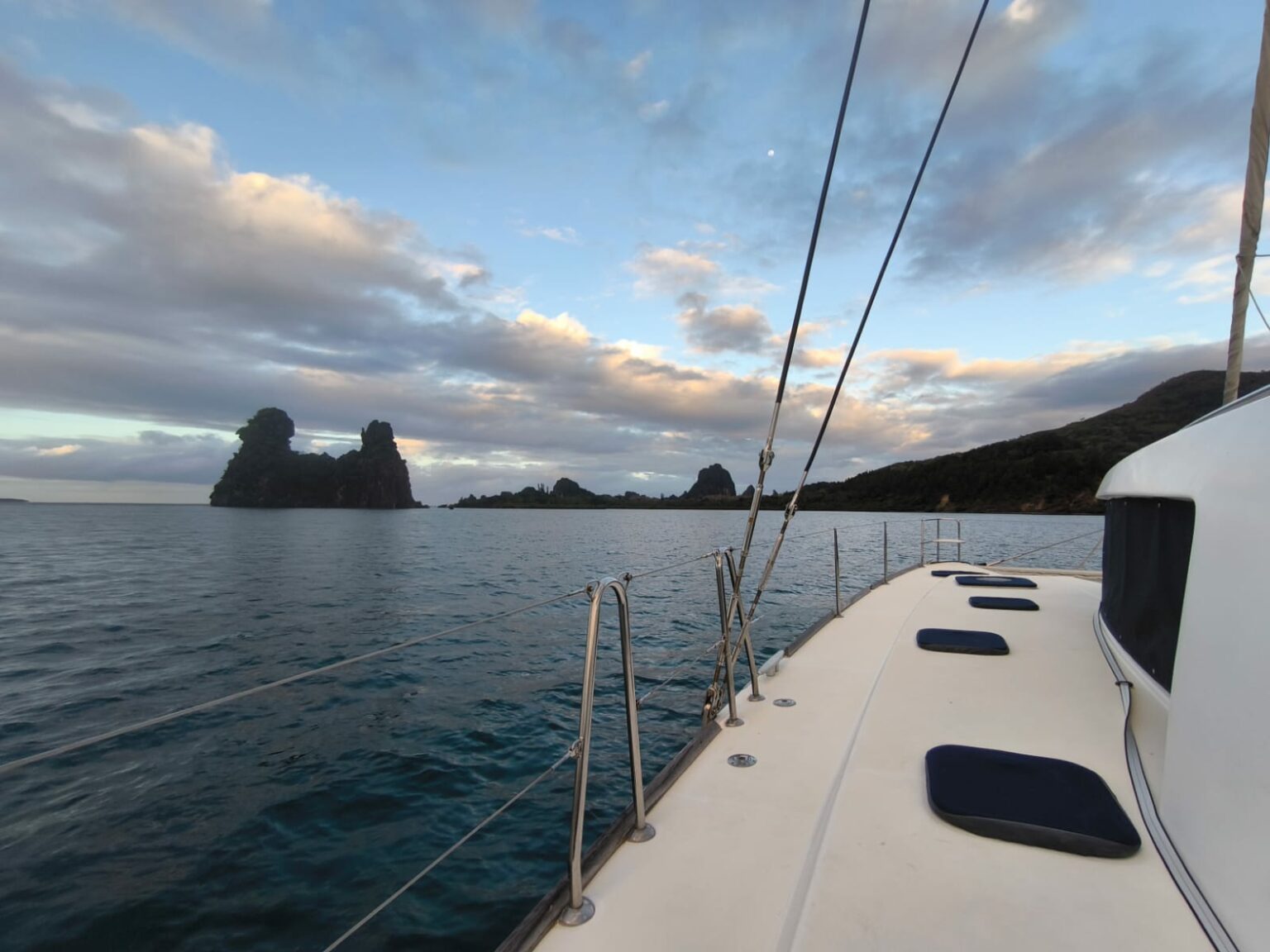
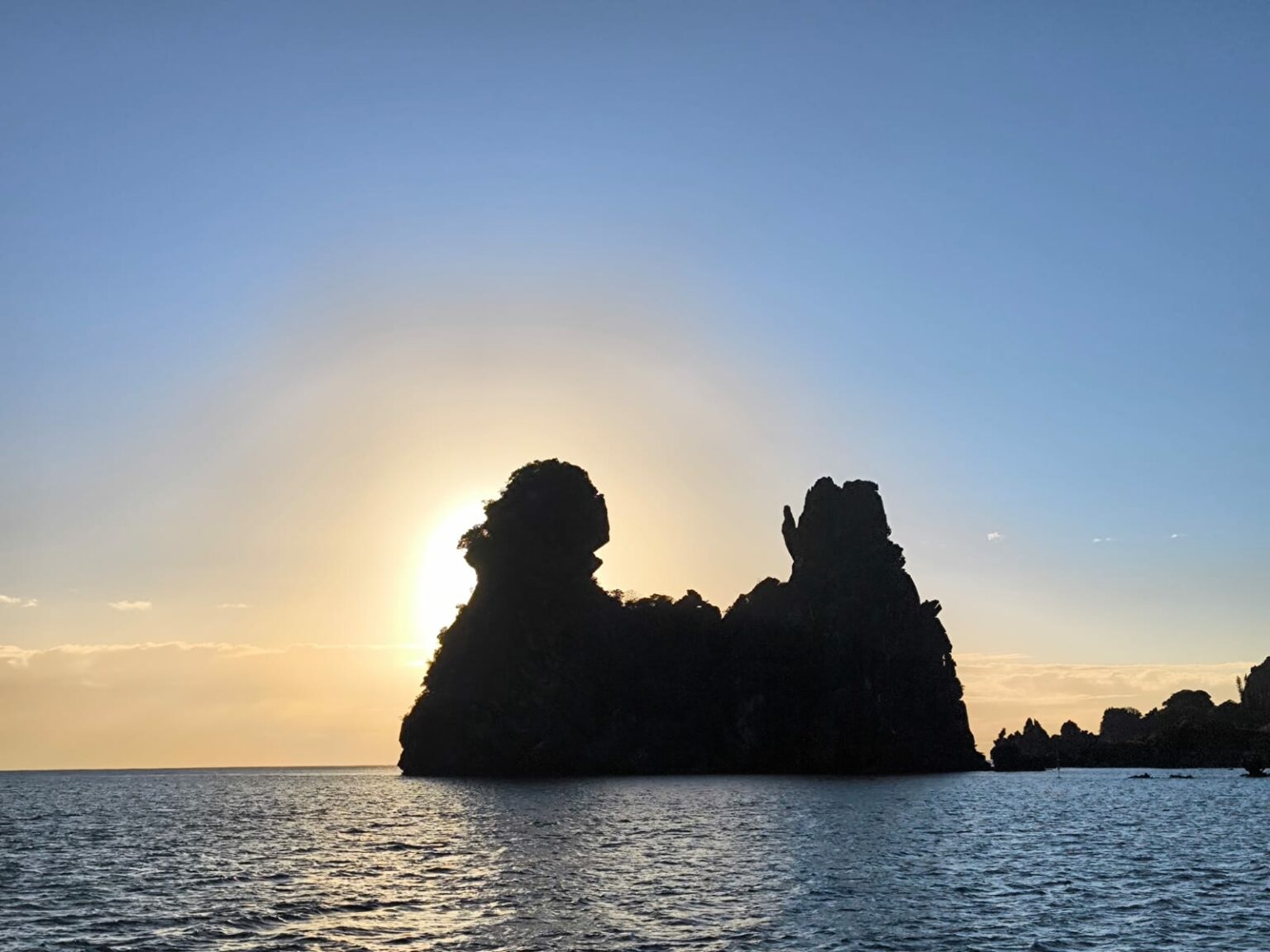
The last crossing leads to the east coast of New Caledonia. On arrival, the cliffs and the bay of Hienghène mark the end of the trip. What remains is to write it all down: engine hours, incidents, items to fix at the next service.
What the logbook recorded
- The stops, in order, with their dates.
- Engine hours at every departure and arrival.
- The checks done before each passage.
- Faults to deal with on return.
Trip album
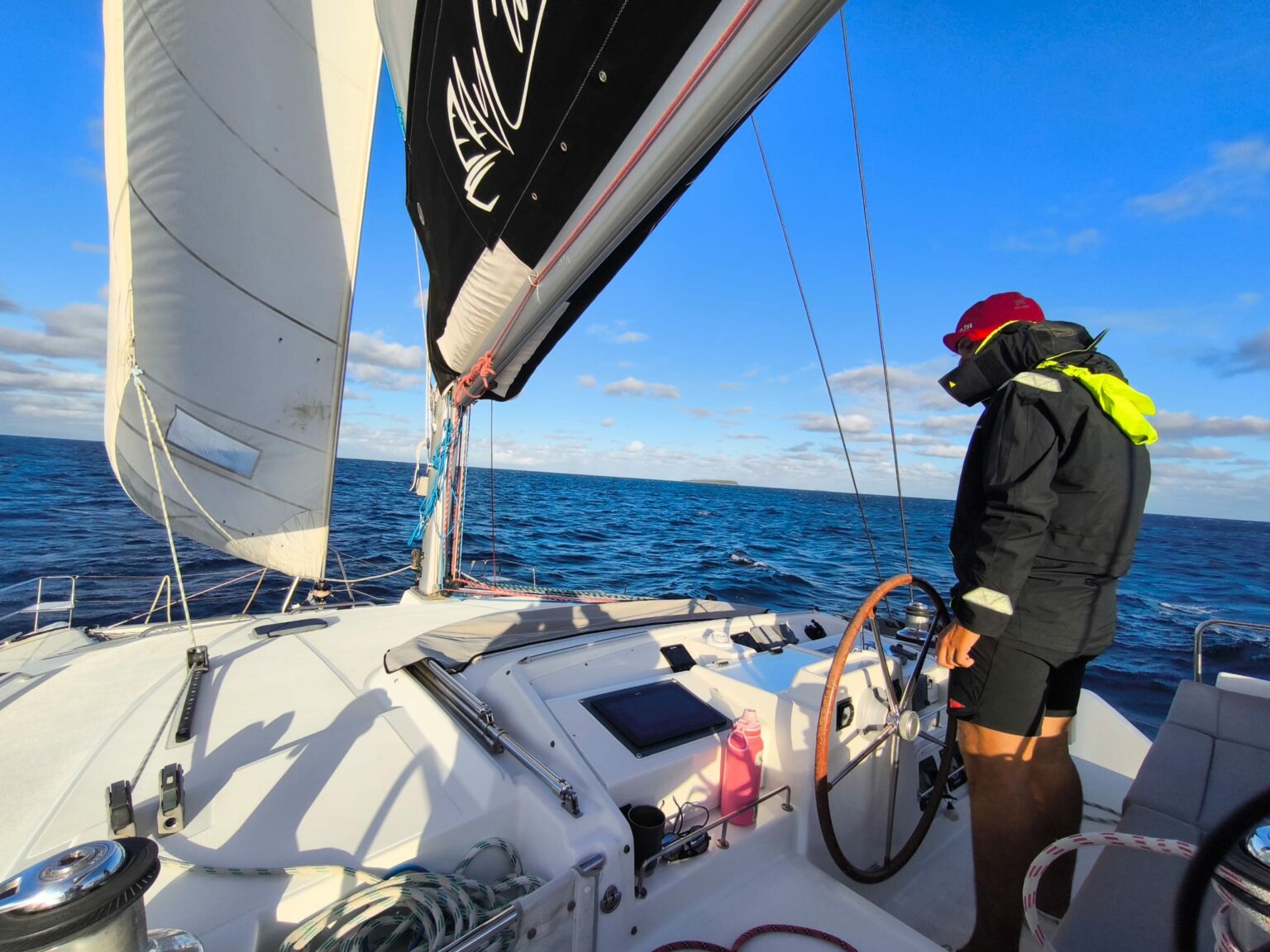
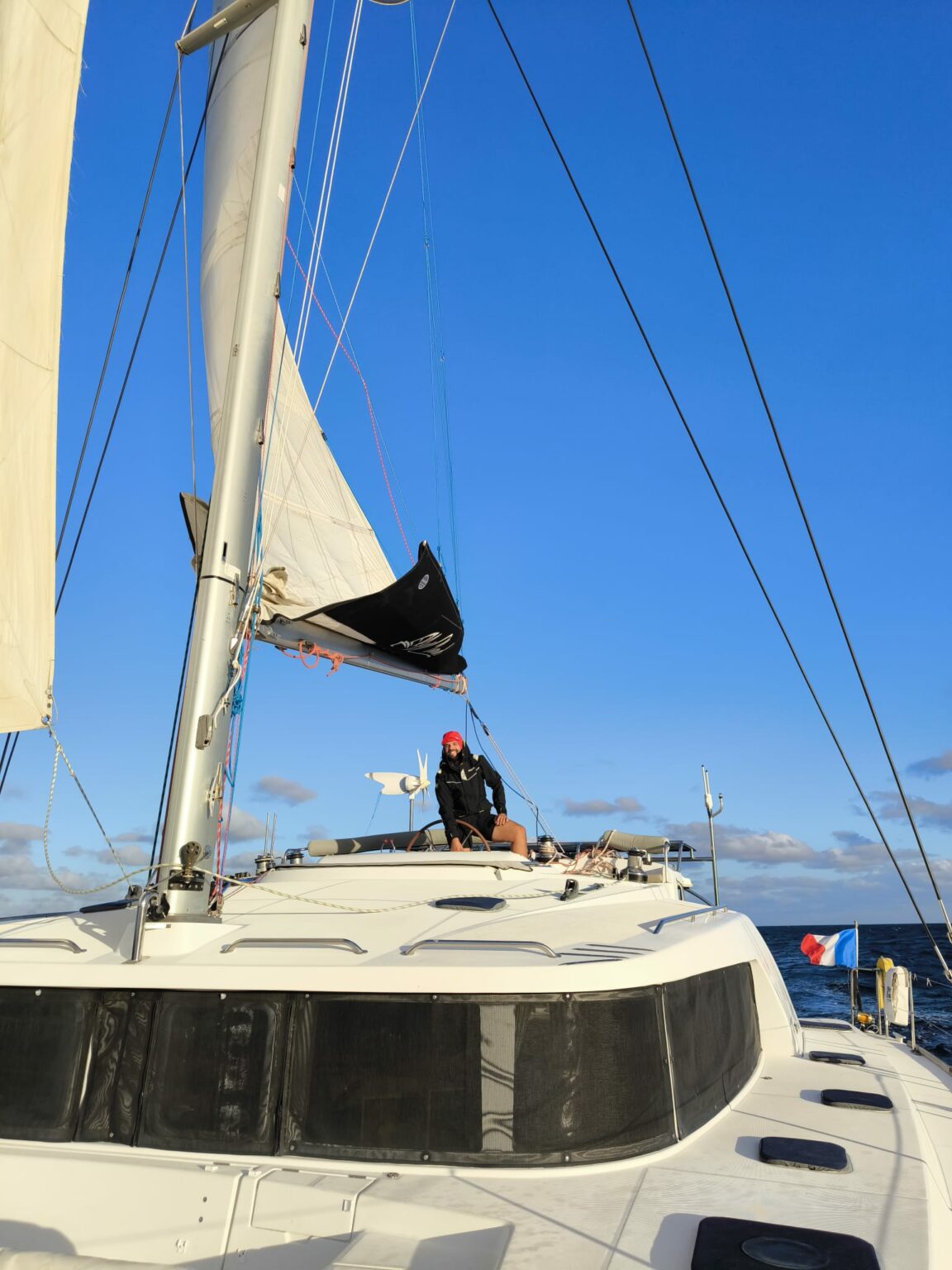
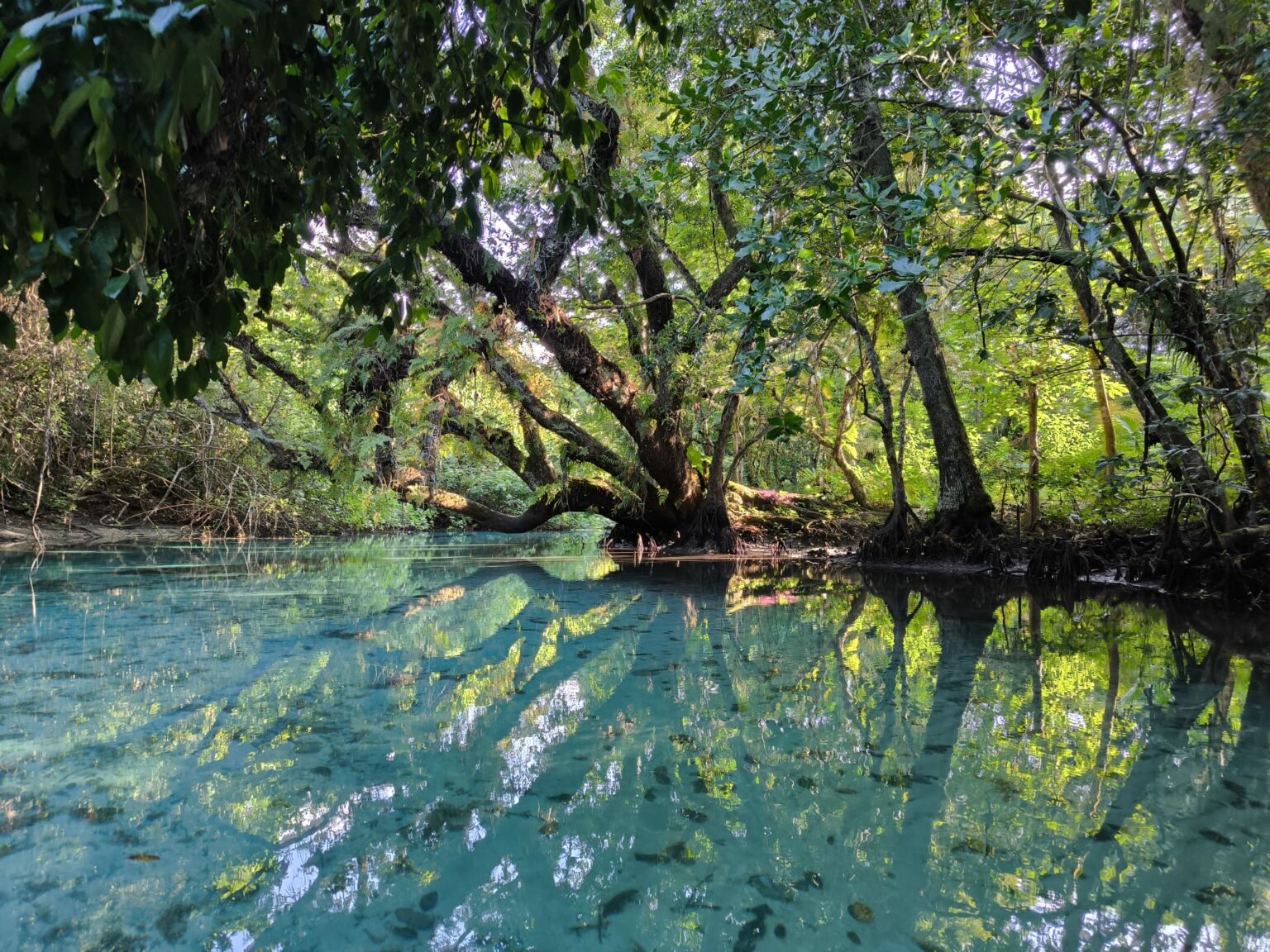
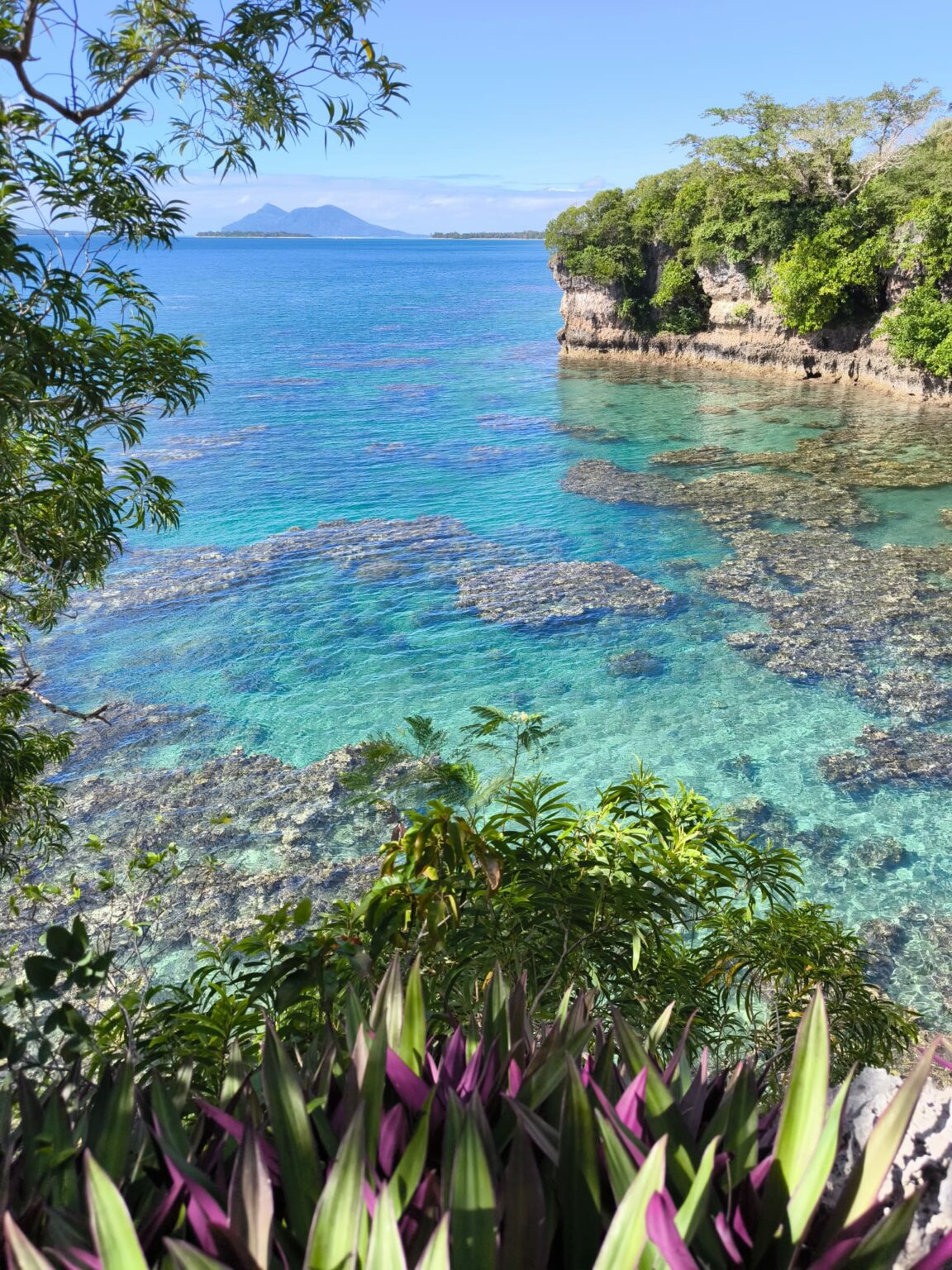
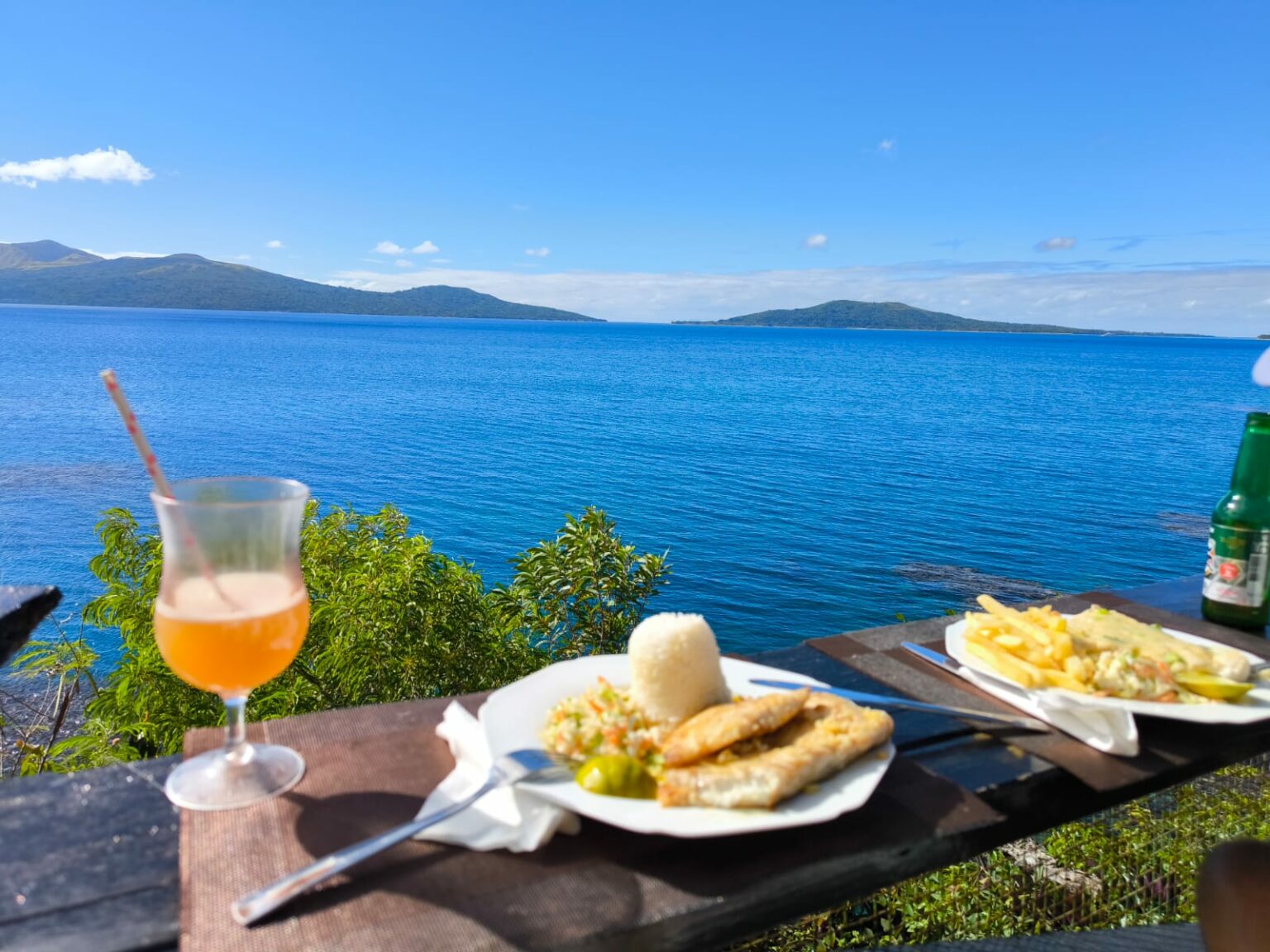
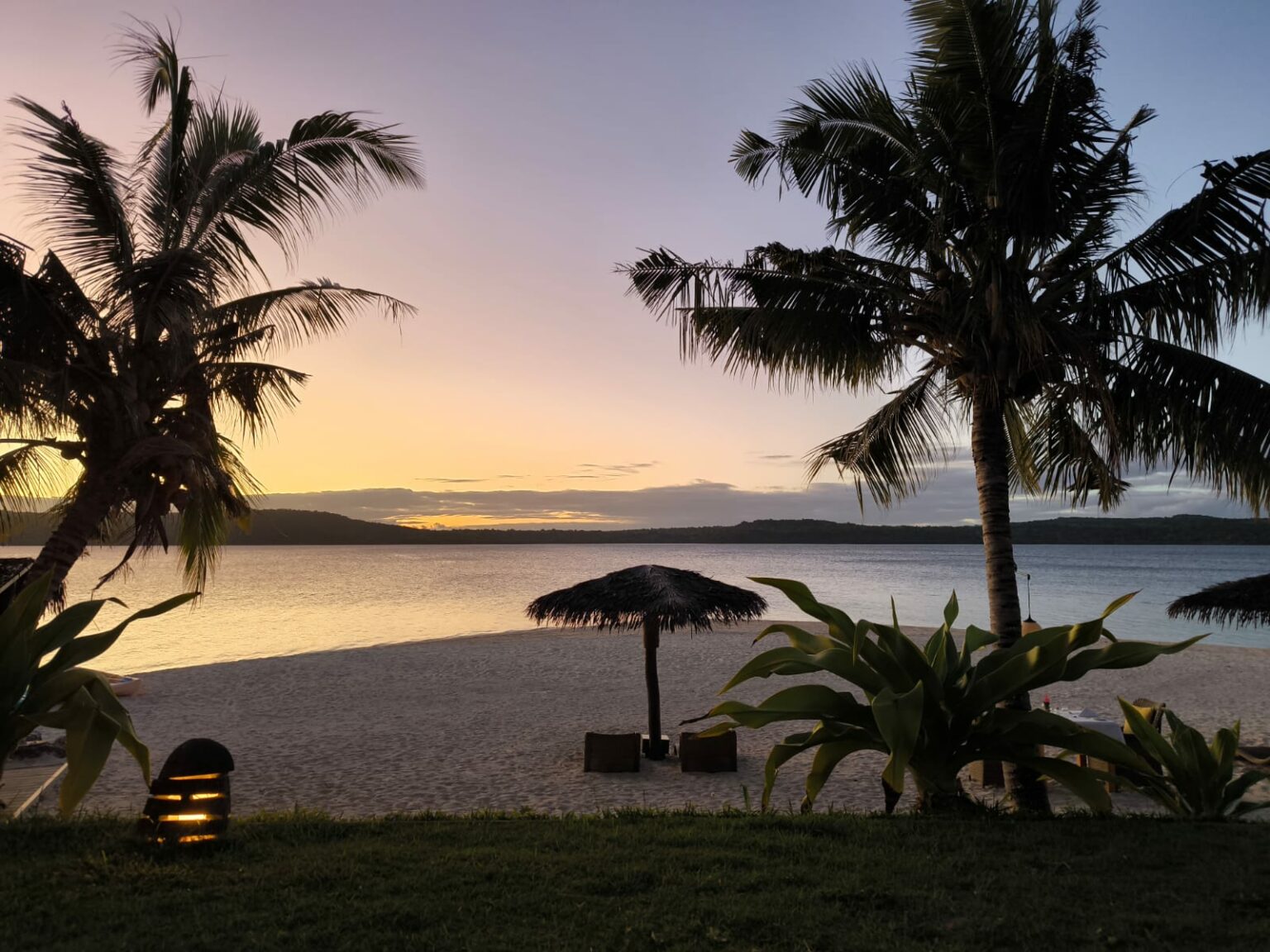
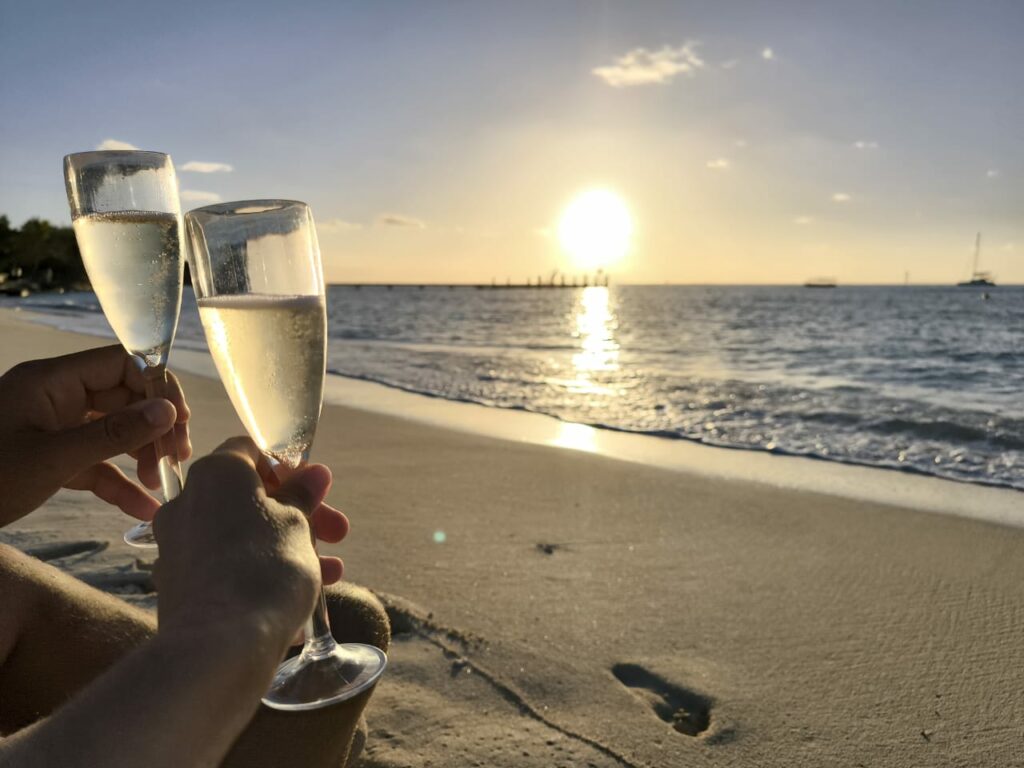
A few pictures taken aboard during these weeks of sailing, from the helm to the stopovers.
Note. This story is a cruising outline written to show how the logbook is used. Dates, durations and distances are deliberately left out. See also the boat specification sheet.